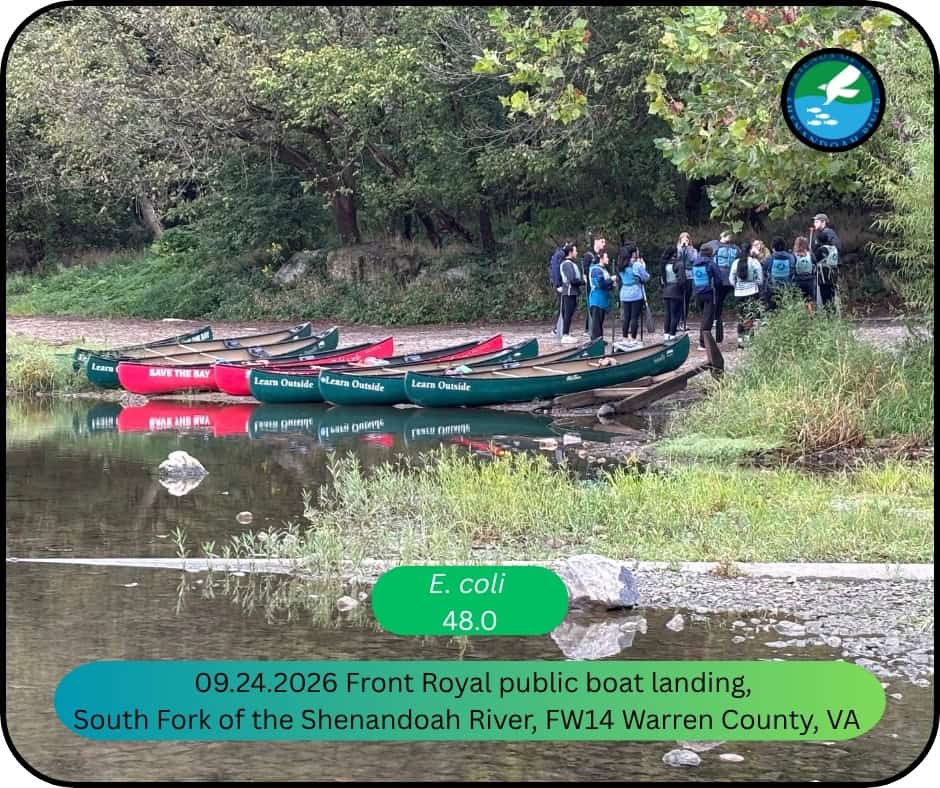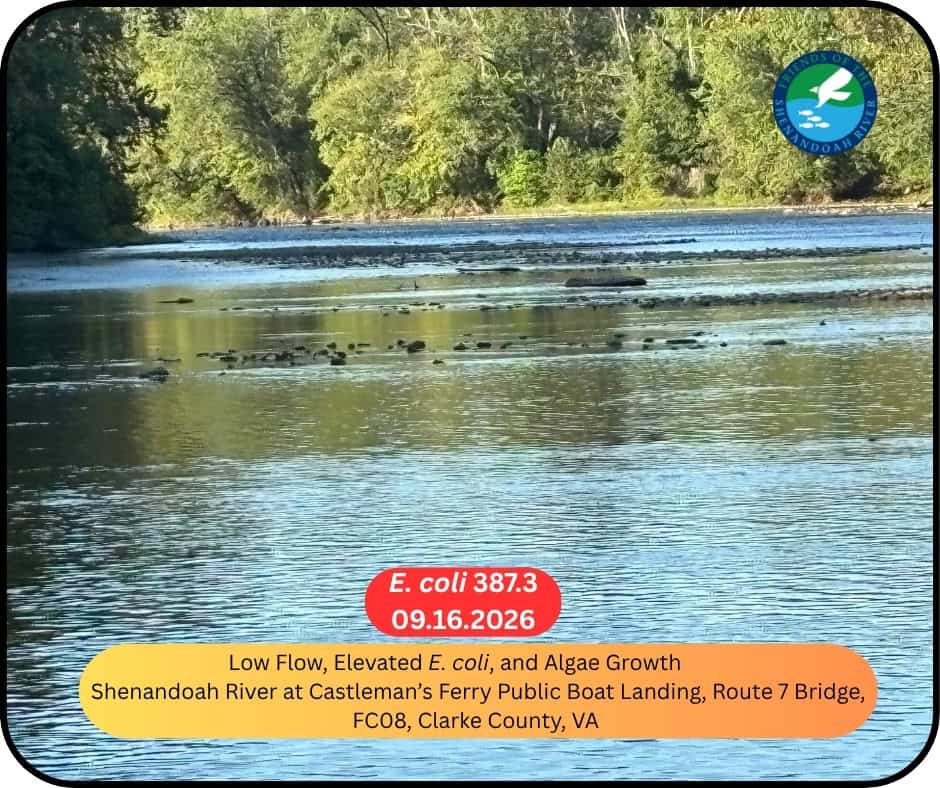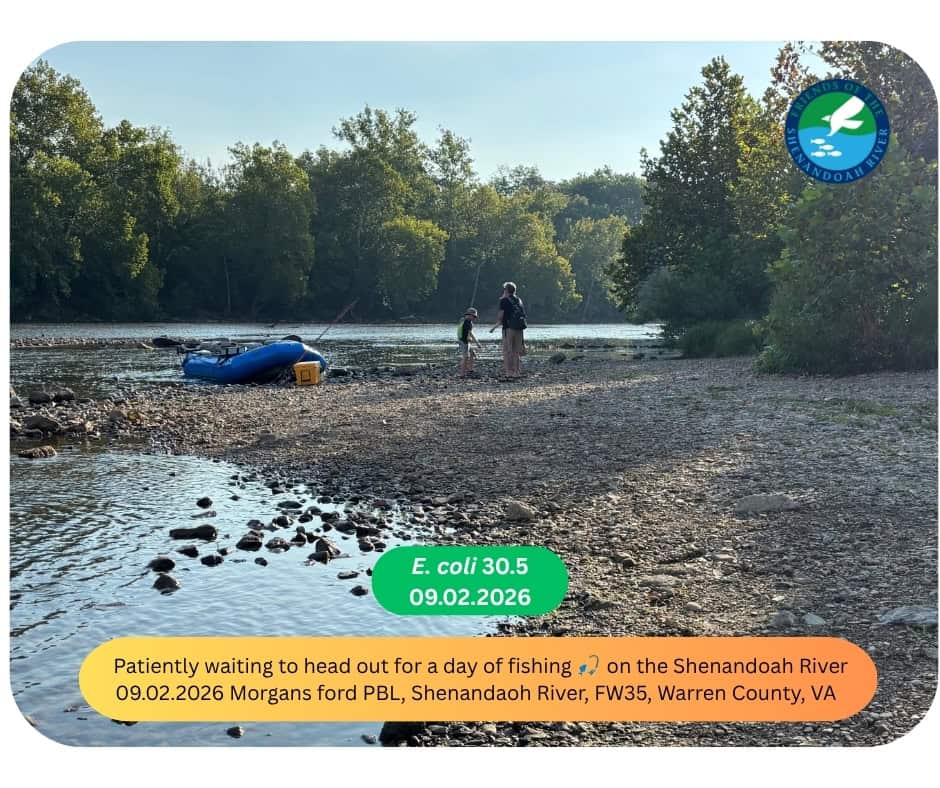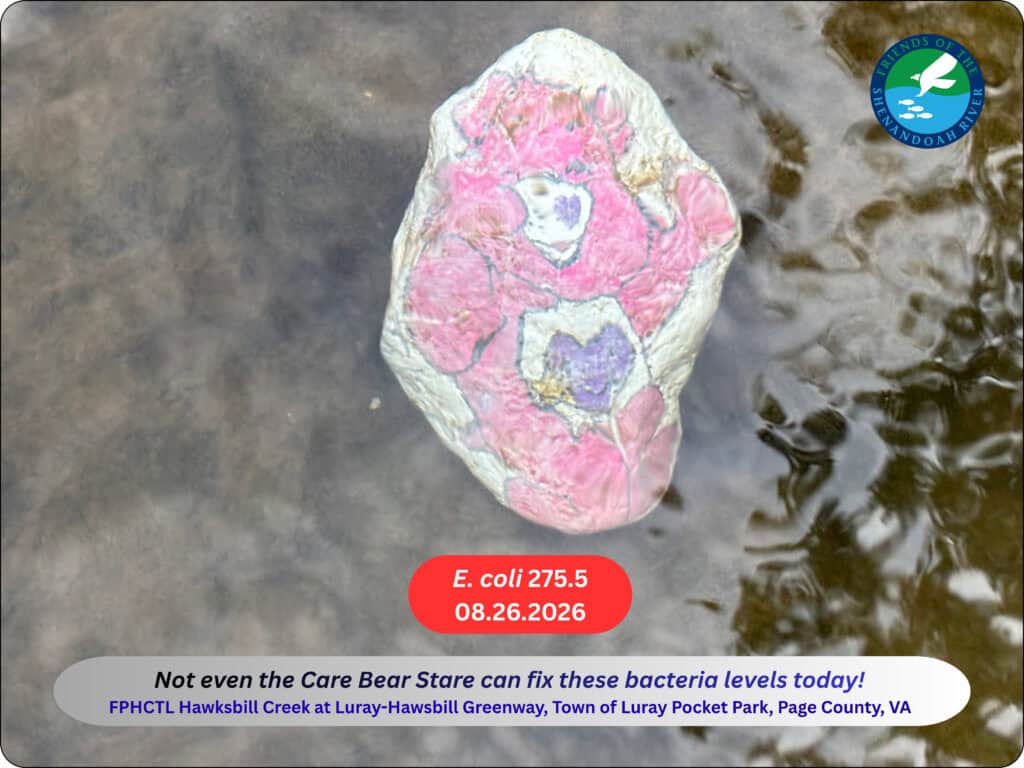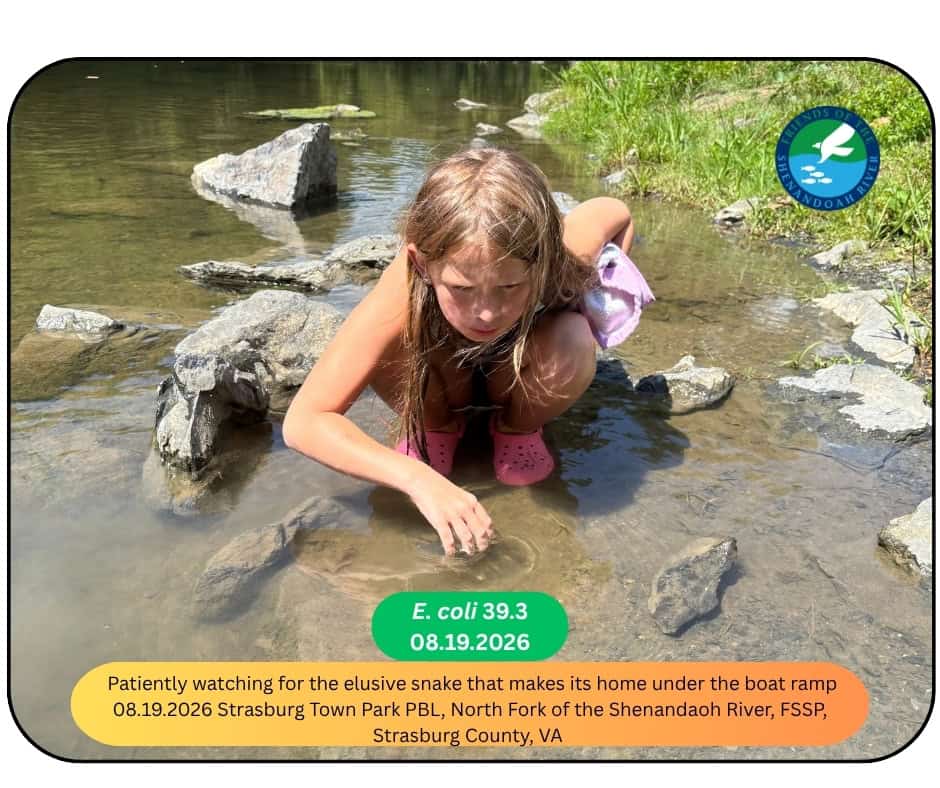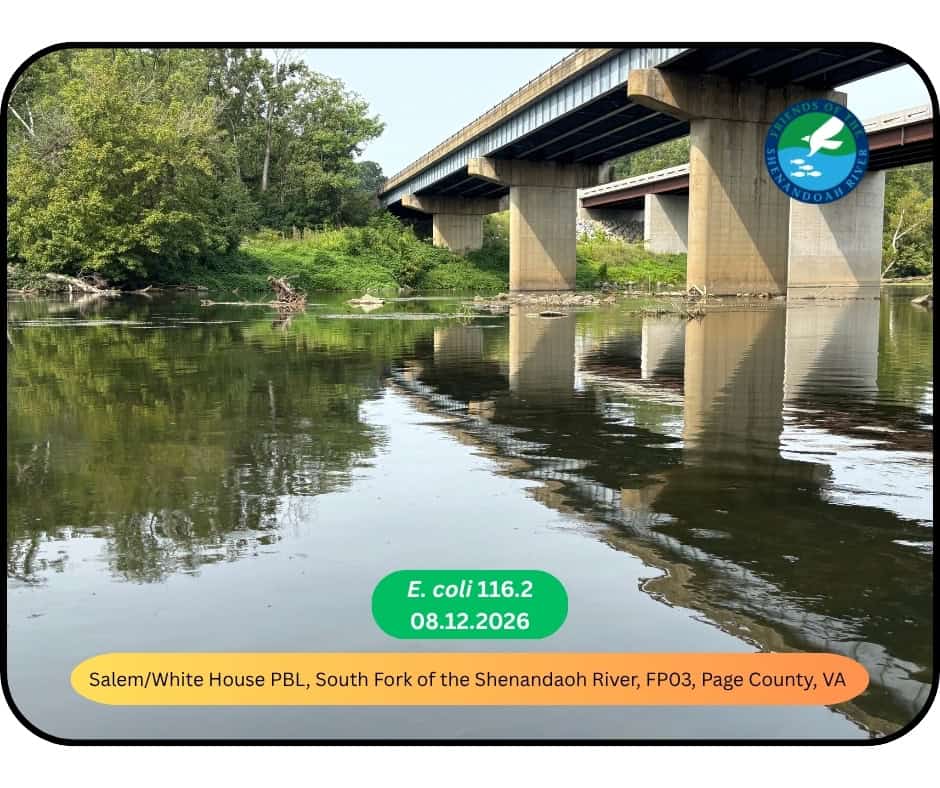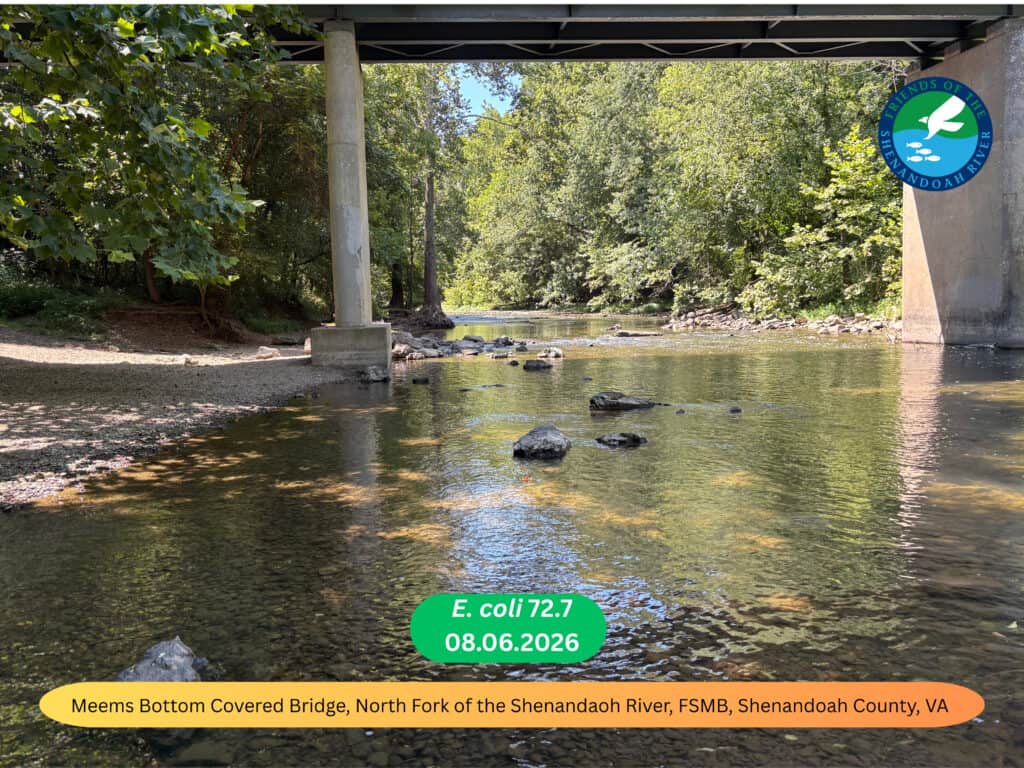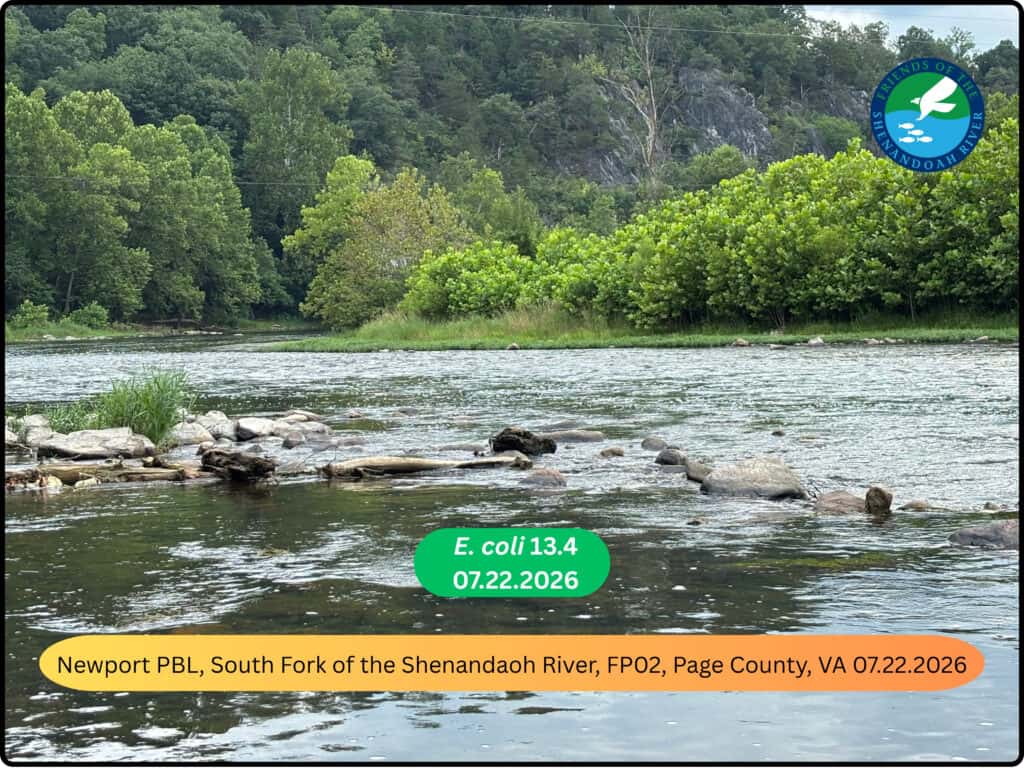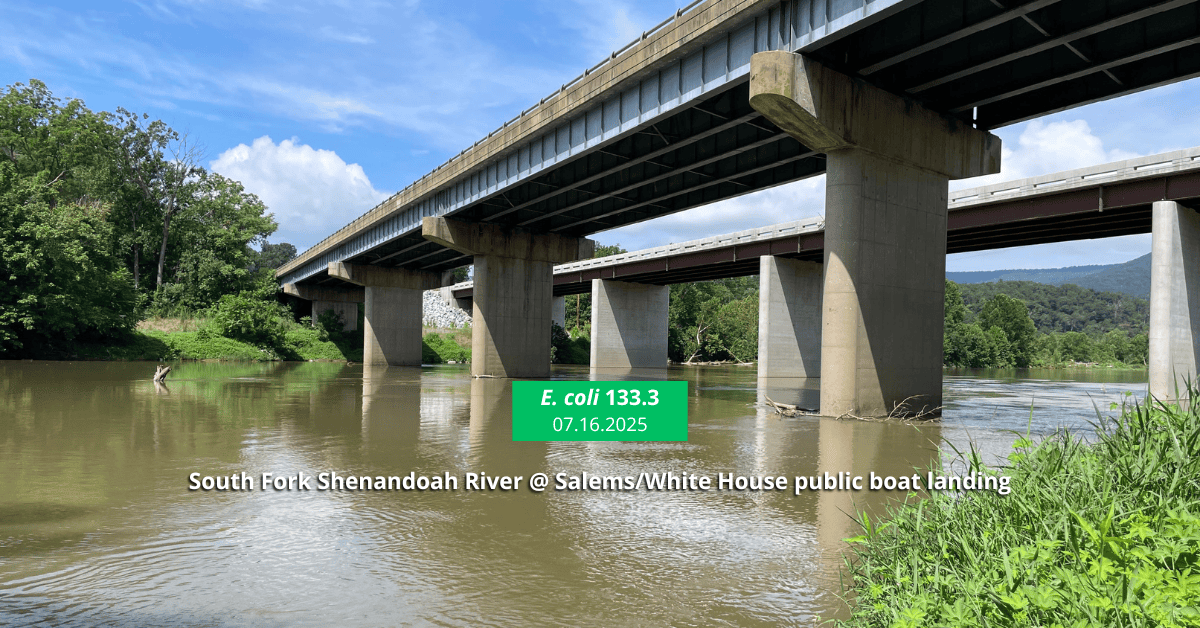
Folks, the E. coli levels measured for the water samples collected and tested yesterday, July 16, may no longer represent current water quality. It is important to remember that the water quality results reflect E. coli levels on the specific date, time, and conditions when the water samples were collected. These levels can change significantly in response to environmental factors. Shortly after yesterday’s sampling, heavy rainfall occurred in the region. As seen in the E. coli results from June 18 and July 02 rain events can influence E. coli concentrations by increasing runoff and introducing additional sources of contamination into waterways. As such, the conditions observed during sampling may no longer represent current water quality. “If It’s Brown Turn Around”
The following information is provided by the VA Department of Health (VDH):
During heavy rainfall and flooding, pollution and debris from the land washes into rivers, lakes and streams and eventually winds up in our coastal waterways. Pet, livestock, and wildlife wastes, as well as untreated wastewater from sewage treatment plants that are overloaded by an excess of rainwater, can all end up in natural waters used for recreation and pose risks to human health.
Recommendations by the VDH to stay safe, all Virginians should:
- Avoid contact swimming in natural waterways for three days following rain events. Heavy rain picks up anything it comes in contact with, including germs from overflowing sewage, polluted storm water, and runoff from land.
- Never swallow untreated water, and don’t swim if your skin has cuts or open wounds.
- Wash hands frequently, including after swimming and before preparing and eating food.
- Shower or bathe after swimming to wash off possible germs and contaminants.
- Check the water and the area around it before swimming. Avoid going in water if there is a green film on the water or if the water is cloudier than usual. Avoid swimming near storm drains or livestock.
- Avoid swimming if you are vomiting or have diarrhea.
- Avoid any area where there is water with a foul or chemical odor, dead or dying fish, or discolored water.
- If taking fish caught from natural waters, remove the skin from filets and dispose of viscera and internal organs. Cook filets to proper temperature and clean knives and cutting boards with soapy water. Follow posted fish consumption advisories.
- Check with your healthcare provider before swimming in oceans, lakes, rivers, and other natural bodies of water if your body’s ability to fight germs is already affected by other health problems or medicines.