
Friends of the Shenandoah River continues our Summer E. coli Testing Program at public access locations on the main stem, South Fork, and North Fork of the Shenandoah River. Real-time monitoring results are made available on all digital devices to help you make an informed decision about getting on or in the water.
FOSR utilizes WaterWatch*, a comprehensive digital platform that supports data collection, management, and visualization. FOSR provides unrestricted access to our water-quality data. We ask that acknowledgment and credit be given when using and referring to these data.
The test results in the map below provide a snapshot of the E. coli bacteria concentrations at the designated sites on the date, time, and under the conditions that the water samples were collected.
* Learn more about The Downstream Project’s WaterWatch program here.

Most Recent Test Results
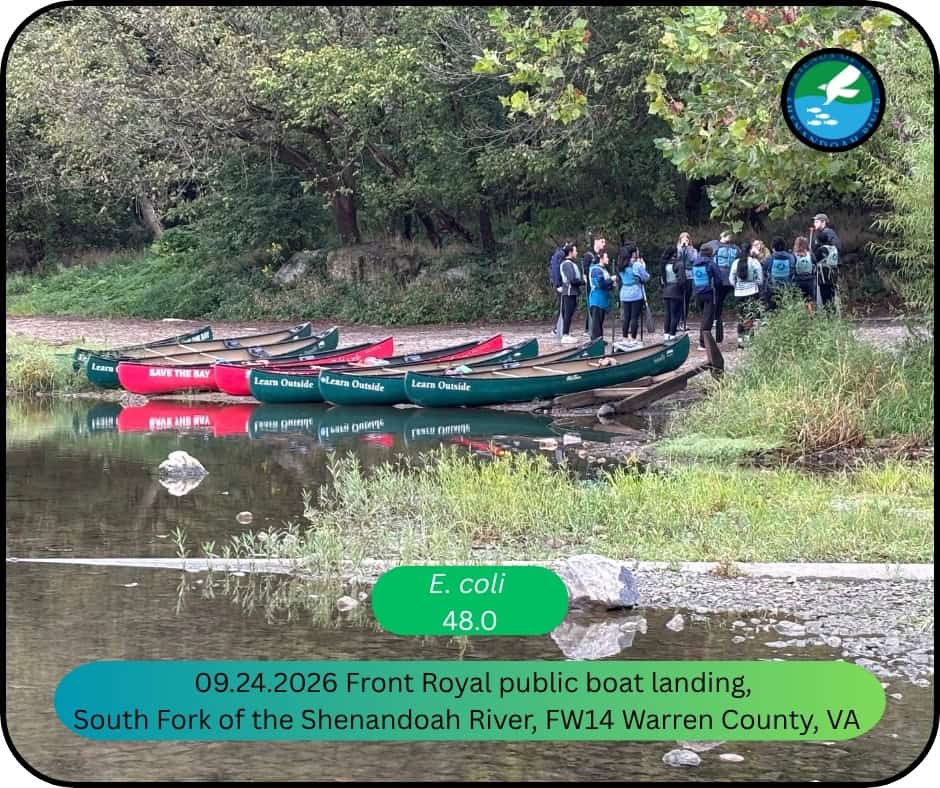
⚠️KNOW BEFORE YOU GO! This Week’s E. coli Testing Results Are Now Available The E. coli test results for water samples collected yesterday varied significantly across monitoring locations. Elevated bacteria levels were widespread: every single
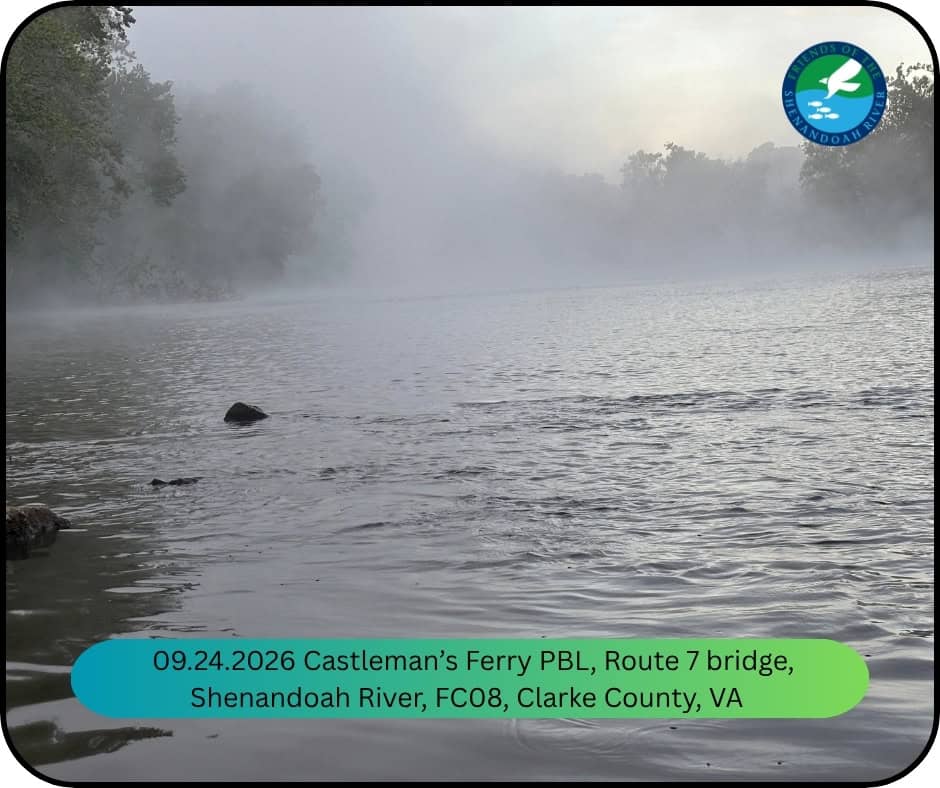
Today marks the final round of water sample collection for the Friends of the Shenandoah River’s 2026 KNOW BEFORE YOU GO! Summer Weekly E. coli Testing Program. 🧪💧 It feels as though the seasonal transition
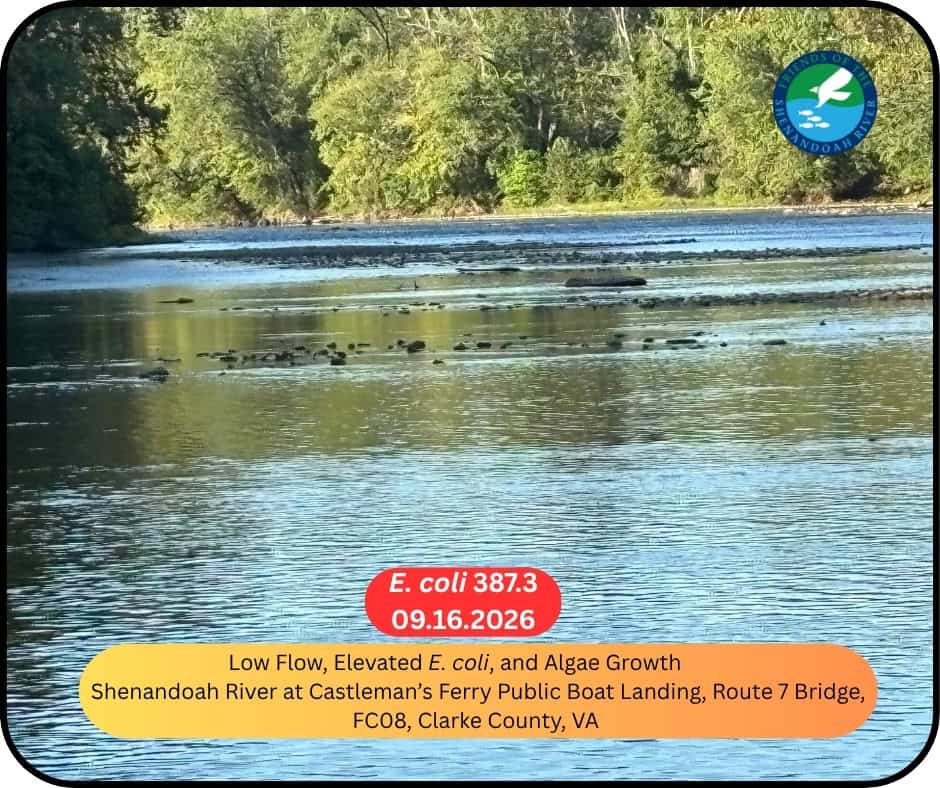
KNOW BEFORE YOU GO! This Week’s E. coli Testing Results Are Now Available E. coli levels at two sites tested yesterday were above the recommended maximum threshold of 235 CFU/100mL for primary water recreation. Main-stem
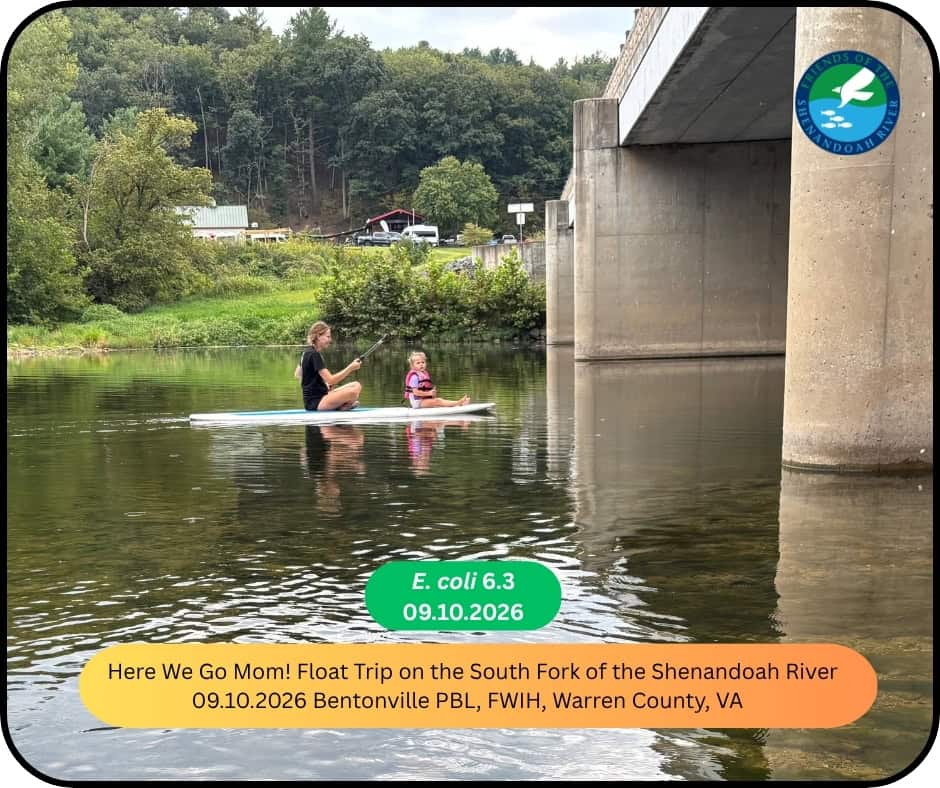
⚠️KNOW BEFORE YOU GO! This Week’s E. coli Testing Results Are Now Available 🟢 Good news for the Main Stem, South Fork, and North Fork of the Shenandoah River: E. coli levels at all sites
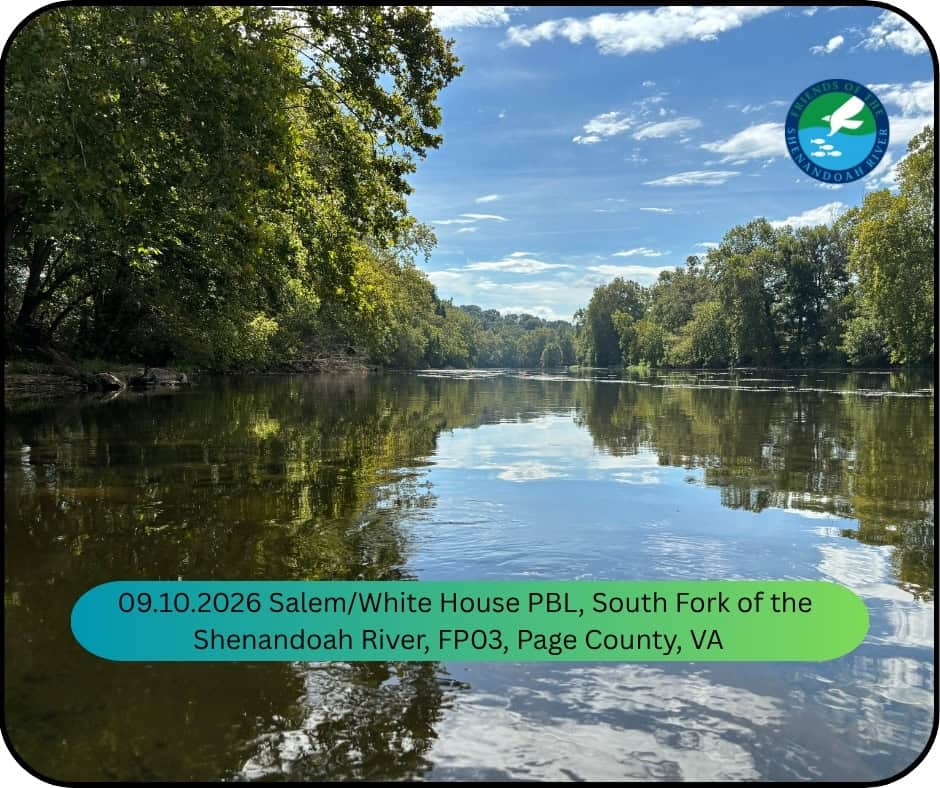
⚠️ KNOW BEFORE YOU GO! Water Testing Update 💧 🧪 Today, our FOSR lab staff rolled up their sleeves and collected 10 water samples from testing sites across the area! 🔬 Samples have been processed
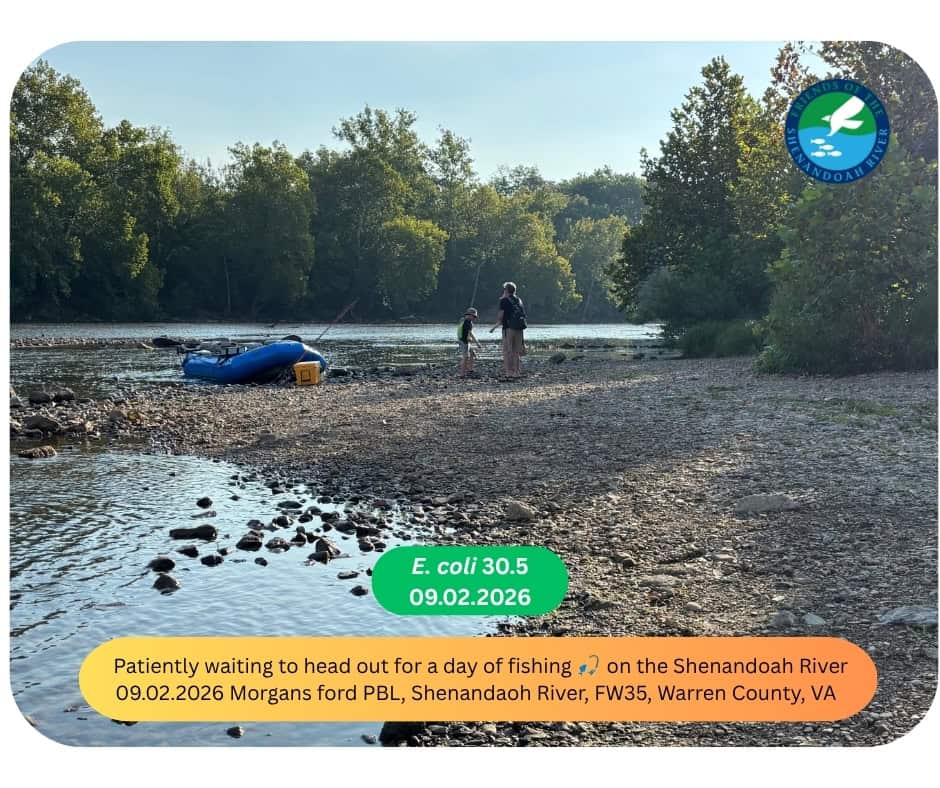
⚠️KNOW BEFORE YOU GO! This Week’s E. coli Testing Results Are Now Available First and foremost: Thank you to those who donated to support this program. Your generosity keeps this program flowing, and we’re deeply