
Friends of the Shenandoah River continues our Summer E. coli Testing Program at public access locations on the main stem, South Fork, and North Fork of the Shenandoah River. Real-time monitoring results are made available on all digital devices to help you make an informed decision about getting on or in the water.
FOSR utilizes WaterWatch*, a comprehensive digital platform that supports data collection, management, and visualization. FOSR provides unrestricted access to our water-quality data. We ask that acknowledgment and credit be given when using and referring to these data.
The test results in the map below provide a snapshot of the E. coli bacteria concentrations at the designated sites on the date, time, and under the conditions that the water samples were collected.
* Learn more about The Downstream Project’s WaterWatch program here.

Most Recent Test Results
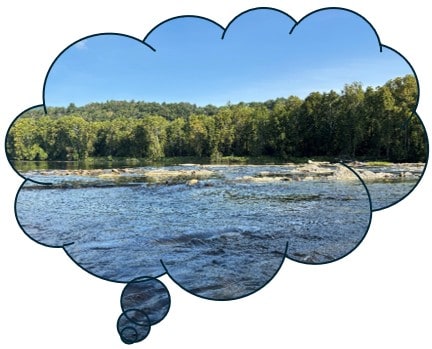
Thinking about taking the family to the river this Labor Day weekend? 🌊 Concerned about potential exposure to E. coli bacteria? 🦠 OH YA, let’s check out the Friends of the Shenandoah River’s KNOW BEFORE
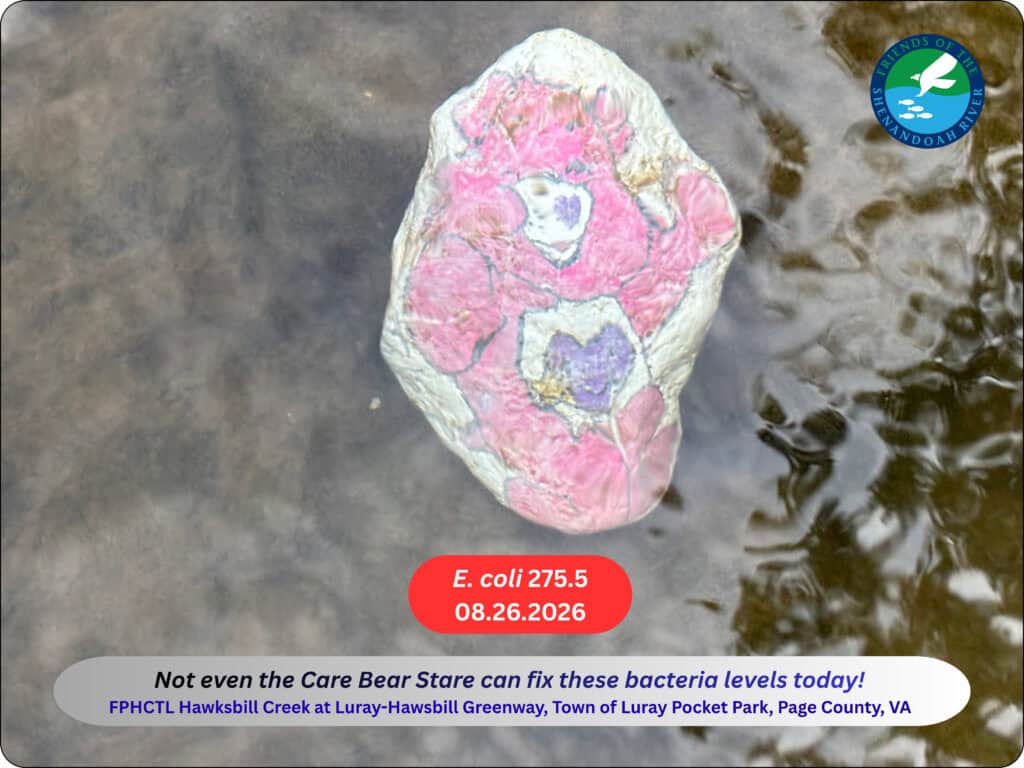
⚠️KNOW BEFORE YOU GO! This Week’s E. coli Testing Results Are Now Available 🟢 The trend continues. E. coli levels at the sites tested yesterday on the Main Stem and South Fork of the Shenandoah
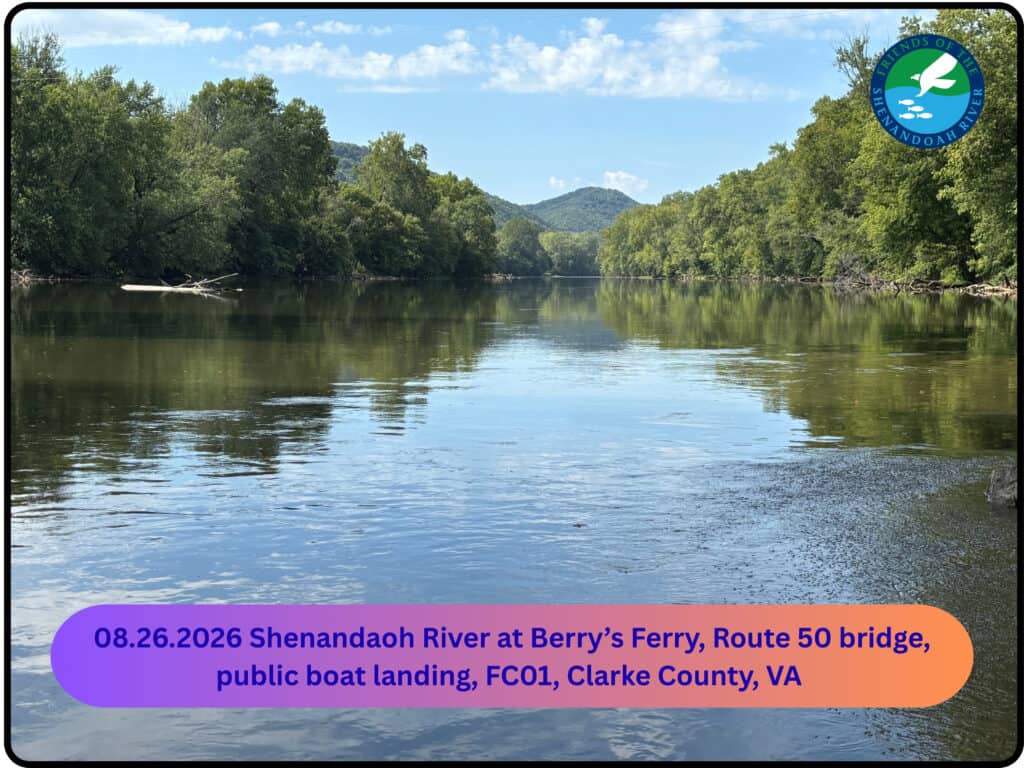
🌅 Dare I say it was a crisp 59°F when I headed down the road this morning to collect water samples for FOSR’s Know Before You Go! Summer Weekly E. coli Testing Program? While these
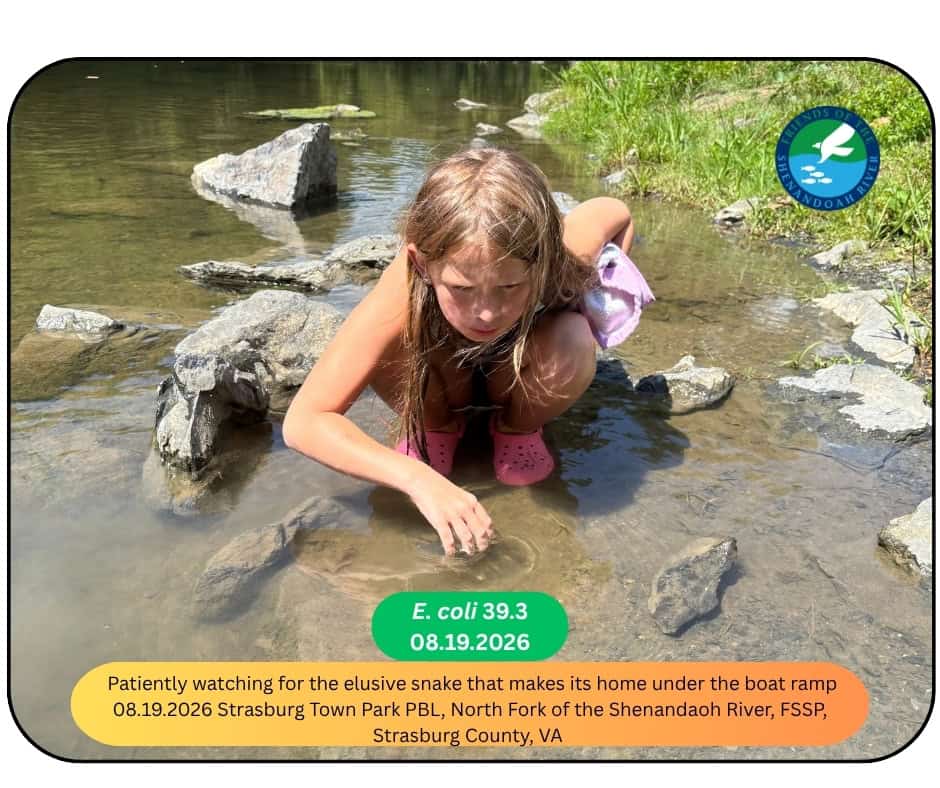
⚠️KNOW BEFORE YOU GO! This Week’s E. coli Testing Results Are Now Available 🟢 Once again, good news for river lovers. The E. coli levels at all the River sites tested yesterday did not exceeded
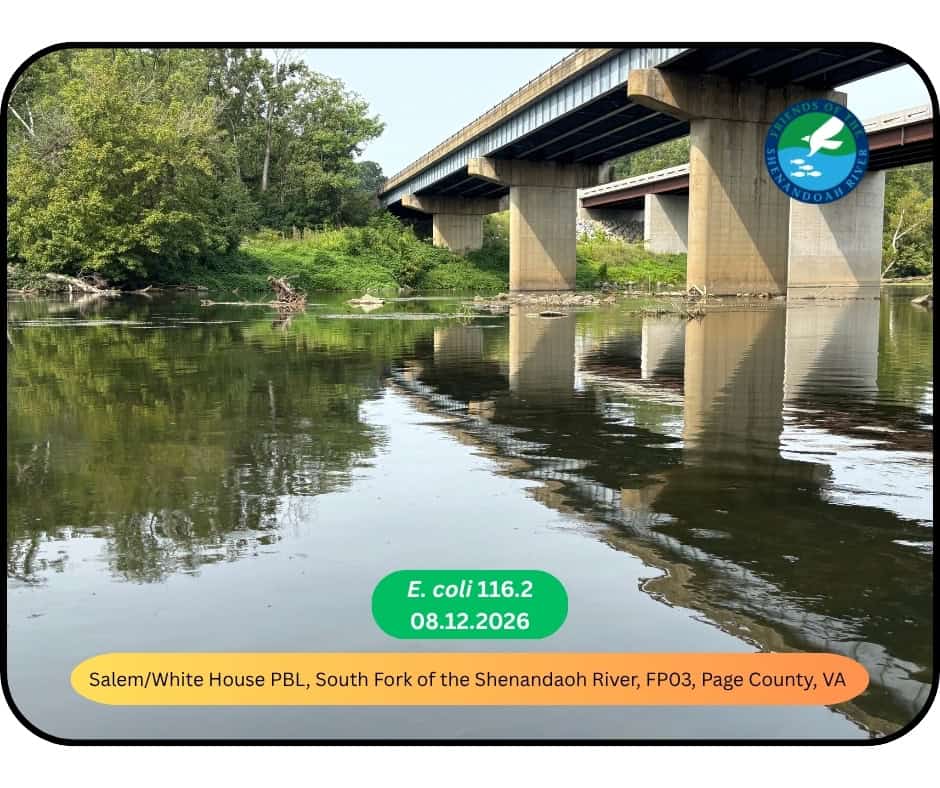
🛑 KNOW BEFORE YOU GO! This Week’s E. coli Testing Results Are Now Available Great news for river lovers and a warning for those heading into Hawksbill Creek at the Pocket Park! Here is what
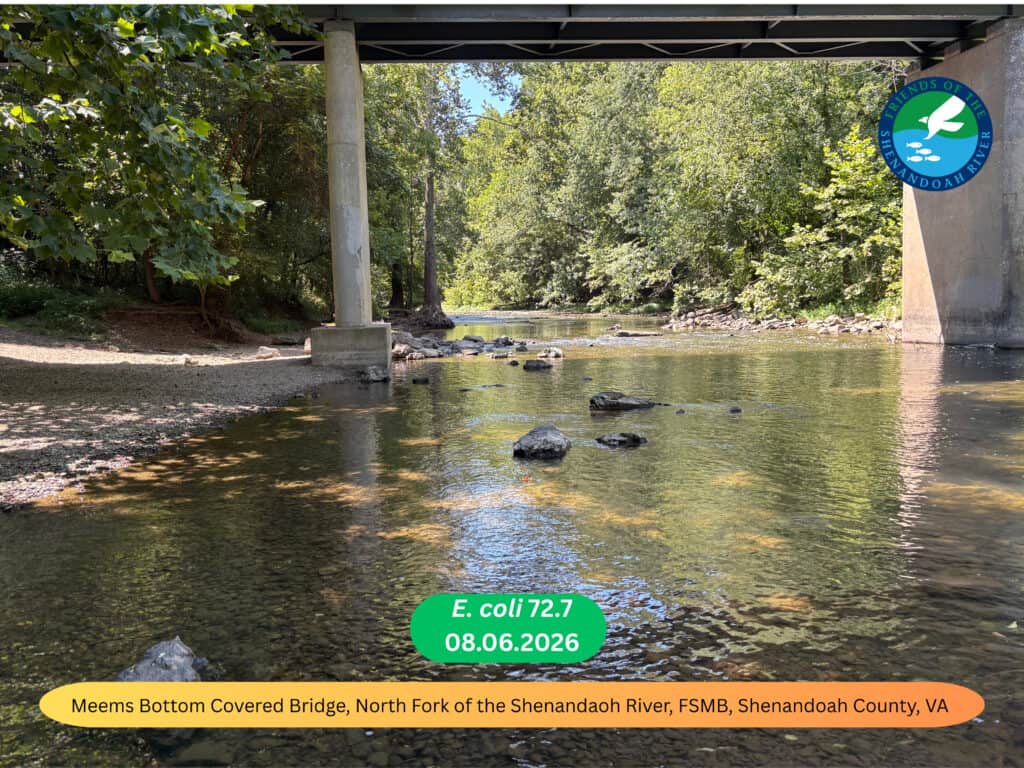
🛑 KNOW BEFORE YOU GO! This Week’s E. coli Testing Results Are Now Available Check the latest data before heading out on the water! 📉 🏞️Field Observations Most notable this week […]